Is Your Signature Safe?
Most people put in real effort to protect their passwords and PINs. Two-factor authentication. Password managers. Alerts for unusual account activity.
Almost nobody thinks about protecting their signature.
That’s a problem. And it’s a bigger one than most people realize.
Your Signature Is Still a Legal and Financial Key
Despite the rise of electronic signatures and digital document platforms, a handwritten signature still carries legal weight in contracts, wills, deeds, financial instruments, and dozens of other transactions. In courts across the country, including in Miami, a signature on a document can determine who inherits an estate, who owns a piece of property, and who is bound by a contract.
That makes your signature worth stealing.
The Government Is Giving Forgers a Head Start
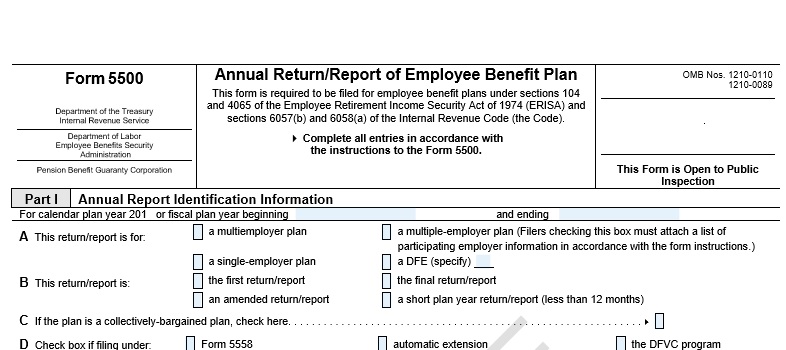
We decided to test how easy it is to find a real signature online. We went to the Department of Labor’s public EFAST2 filing system, which hosts Form 5500 retirement plan filings. Under the current rules, when a CPA or other service provider files on behalf of a business owner, the business owner must manually sign a paper version of the form. That signed paper is scanned and uploaded as a PDF attachment, then posted publicly on the DOL’s website for anyone to search and download.
The Department of Labor’s own documentation confirms this: when service providers use the e-signature filing option, “the image of the plan administrator’s manual signature will be included with the rest of the return/report posted by the Labor Department on the Internet for public disclosure
Within 30 minutes of searching the DOL’s website, we found 10 genuine signatures, each complete with an employer identification number.
If we can find ten signatures in thirty minutes, imagine what a professional forger can do in a day. Or a week. This type of fraud has long targeted elderly Americans and small business owners — people who signed retirement plan documents years ago and have no idea that their signatures are sitting in a public database.
What a Forger Can Do With Your Signature
A signature on its own isn’t just a curiosity. In the wrong hands, it can be used to:
- Forge a deed or real estate transfer
- Alter or fabricate a will
- Sign contracts or financial agreements in your name
- Create fraudulent checks or authorization letters
- Impersonate you in any transaction where a signature carries legal weight
In South Florida, where real estate changes hands constantly and estate disputes are common, signature fraud is not a theoretical risk. It is a regular feature of the cases that come through our office.
What You Can Do
The most direct step: if your business has ever filed a Form 5500 through a CPA or service provider using the paper signature option, check whether your signature is publicly visible. Search the DOL’s EFAST2 system at efast.dol.gov using your company name or EIN.
Beyond that, be aware of where your signature exists in the world. Old documents, signed applications, public filings, and scanned records all represent potential exposure. You cannot eliminate all risk, but you can be informed about where your signature is accessible.
If you suspect your signature has already been used fraudulently, a forensic document examiner can analyze the questioned document and provide a formal opinion on whether it was signed by you. That opinion can be filed with law enforcement, presented in a civil proceeding, or used to dispute a fraudulent transaction before it is finalized.
If you suspect your signature has been forged or misused, call us for a free consultation. We’ll assess the document and tell you what the evidence shows.
Or call us: 1-305-459-1544.
Bart Baggett
Forensic Document Examiner | Expert Witness | Legal Consultant
The Nation’s Leading Forensic Handwriting Expert
CEO, Handwriting Experts Inc.
Frequently Asked Questions
Is my signature really publicly accessible online?
Potentially, yes. If your business has ever filed a Form 5500 retirement plan return through a CPA or service provider using the paper signature option, the DOL’s own rules require that the scanned image of your manual signature be posted publicly on the EFAST2 website. This has been the case since 2009. You can search for your own filings at efast.dol.gov.
What is a Form 5500 and who files it?
Form 5500 is an annual return filed with the Department of Labor by employee benefit plans, including retirement plans. Businesses with qualifying benefit plans must file it each year. When a CPA or third-party service provider files on behalf of a business owner, the owner must manually sign a paper version, which then gets uploaded and publicly posted.
What can a forger actually do with a copy of my signature?
A skilled forger can use a genuine signature as a template to practice and reproduce your writing on other documents. The risk is highest for high-value transactions like real estate transfers, estate documents, financial authorizations, and contracts. In South Florida, where real estate and probate fraud are recurring issues, signature theft is a real and documented problem.
How would I know if my signature had been forged?
Often, you wouldn’t know until the damage is done: a property transfer you didn’t authorize, a contract you never signed, a will that doesn’t reflect your relative’s wishes. Warning signs include documents appearing in your name that you have no memory of signing, unexpected changes in financial accounts or property records, and family members disputing documents they didn’t know existed.
What does a forensic document examiner do if my signature has been forged?
We examine the questioned document alongside known authentic samples of your signature and determine whether the signature is genuine or a forgery. We produce a written report documenting our methodology and conclusions. That report can be submitted to law enforcement, used in civil litigation, or presented to a financial institution or title company to dispute the fraudulent transaction.
Is signature fraud common in Miami?
Yes. Miami-Dade County has one of the most active real estate markets in the country and handles a high volume of probate and estate litigation. Fraudulent deed transfers, forged wills, and signature-based financial fraud regularly appear in local courts and in cases that come through our office. The combination of high-value assets, complex family structures, and large volumes of document transactions creates a persistent opportunity for this kind of fraud.
Can I prevent my signature from being misused?
You cannot eliminate all risk, but you can reduce exposure. Check whether your signature appears in public DOL filings. Be cautious about where you sign documents and who has access to signed paperwork. Keep records of your genuine signatures over time so that if a comparison is ever needed, you have authentic samples available. And if you discover a document you believe was signed fraudulently, act quickly: the sooner it’s examined, the more options you have.
